








Title of the programme: International Physics MSc (LASCALA)
Degree: MSc in Physics, Specialized in Large Scale Facilities in Accelerators and Lasers (LASCALA)
Duration of the course: 4 semesters
Language of tuition: English
Description of the programme:
The LASCALA master aims at training experts in the most advanced experimental and theoretical tools and concepts in accelerators, high power lasers and associated advanced sources, as well as in their applications for science and society. The LASCALA master is coordinated by Paris-Saclay University (France), with Lund University (Sweden), La Sapienza University Rome (Italy) and the University of Szeged (Hungary) as partners. The students will be ready to develop innovative ideas and enterprises related to large scale facilities.
Students will start with the first semester in Paris Saclay, continue with the second in either La Sapienza Rome or Lund, then with the third in either Szeged or Saclay Paris. The location of the fourth semester is by choice of the student to perform the research necessary for the Masters Thesis in the framework of an internship in the academic sector or in the industry.
The programme includes classes, tutorials, project- and research-based trainings. Students will take advantage of seminars by international speakers, up-to-date technology demonstrations, as well as visits and practices on large scale facilities (e.g. Synchrotron SOLEIL, Pettawatt laser APOLLON, Proton Therapy Centre of Orsay, Lund Laser Centre, MaxIV synchrotron, ELI Beamlines laser facility, SPARC particle accelerator, FLAME multiterrawatt laser, CERN, ITER Tokamak, Laser Mégajoule (LMJ), etc.)
An intensive summer school also fosters the students' entrepreneurial skills including economy management, communication, patent law, and technology transfer courses so they can face the job market.
For further details, tuition fees, scholarships and course application see: https://master-lascala.eu/about-us/general-description

Forradalmasíthatja az információtovábbítást a Szegedi Tudományegyetem (SZTE) új nemzetközi kutatása, amelyben neves felsőoktatási intézmények, többek között a Harvard munkatársai is részt vesznek. Az új alapkutatás akár a lehallgathatatlan rendszerek kifejlesztéséhez is hozzájárulhat - közölte az SZTE.
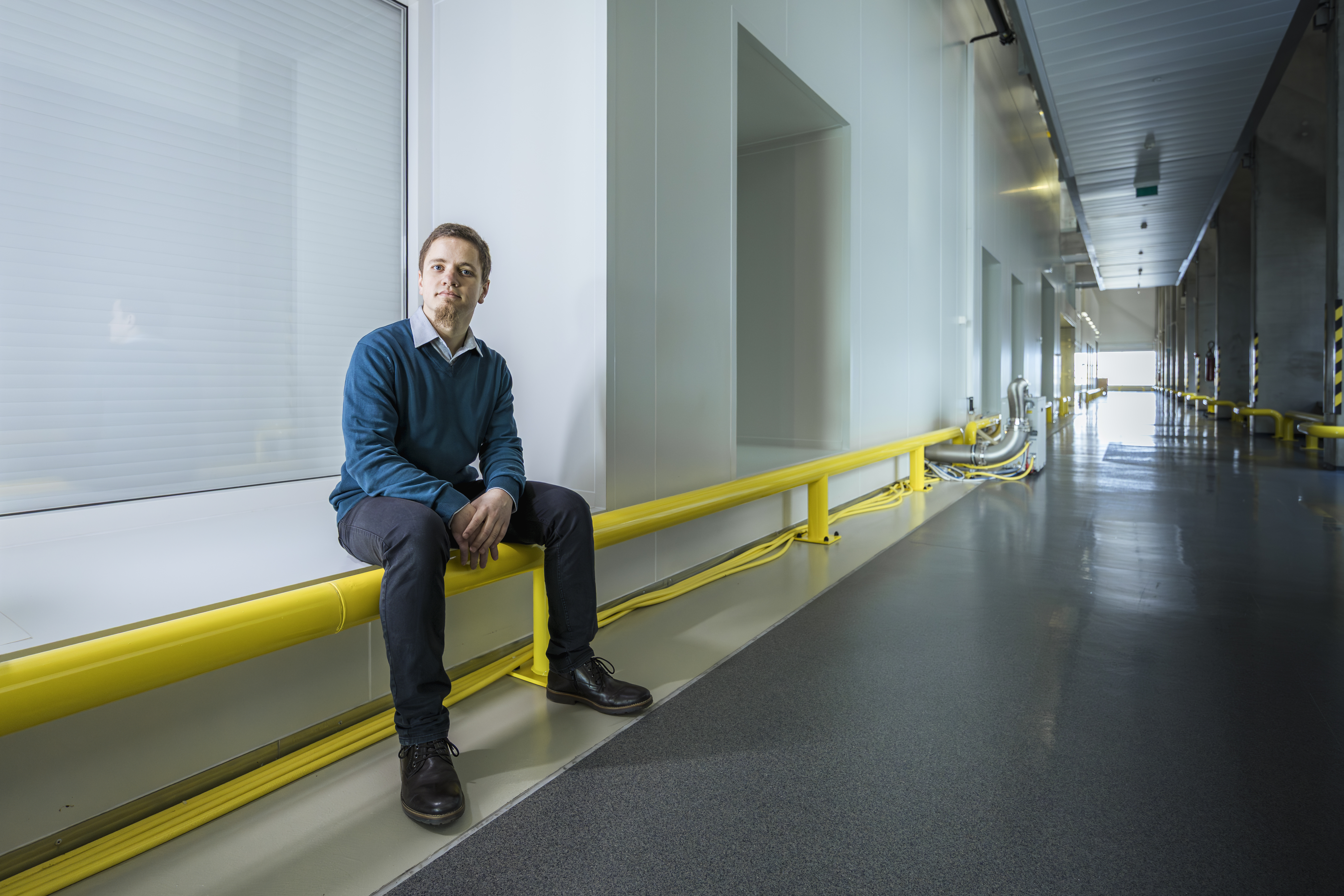
Az ELI ALPS-ban sikeresen védte meg Collective Effects of Laser-Driven Cold Atoms in an Optical Cavity című PhD-disszertációját Gábor Bence. A fiatal kutató az SZTE Fizikai Intézetben szerezte meg fizikus diplomáját, majd éveken át Budapesten, a HUN-REN Wigner Fizikai Kutatóközpontban dolgozott. Onnan tért vissza szülővárosába. Az ELI ALPS-nak adott interjújában eddigi pályájáról és céljairól kérdezték.


